High-Pressure Grinding Rolls (HPGR)
Improving mineral and aggregate grinding circuit performance
Key Facts
- Capacity
- Up to 5,100 t/h
- Roll diameter
- 800 - 2,700 mm
- Specific pressure
- Up to 6.0 N/mm²
Would you like further information?
High-Pressure Grinding Roll (HPGR) technology as an alternative to crushers and mills
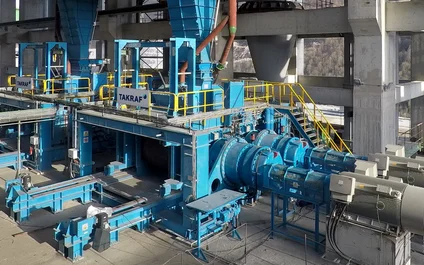
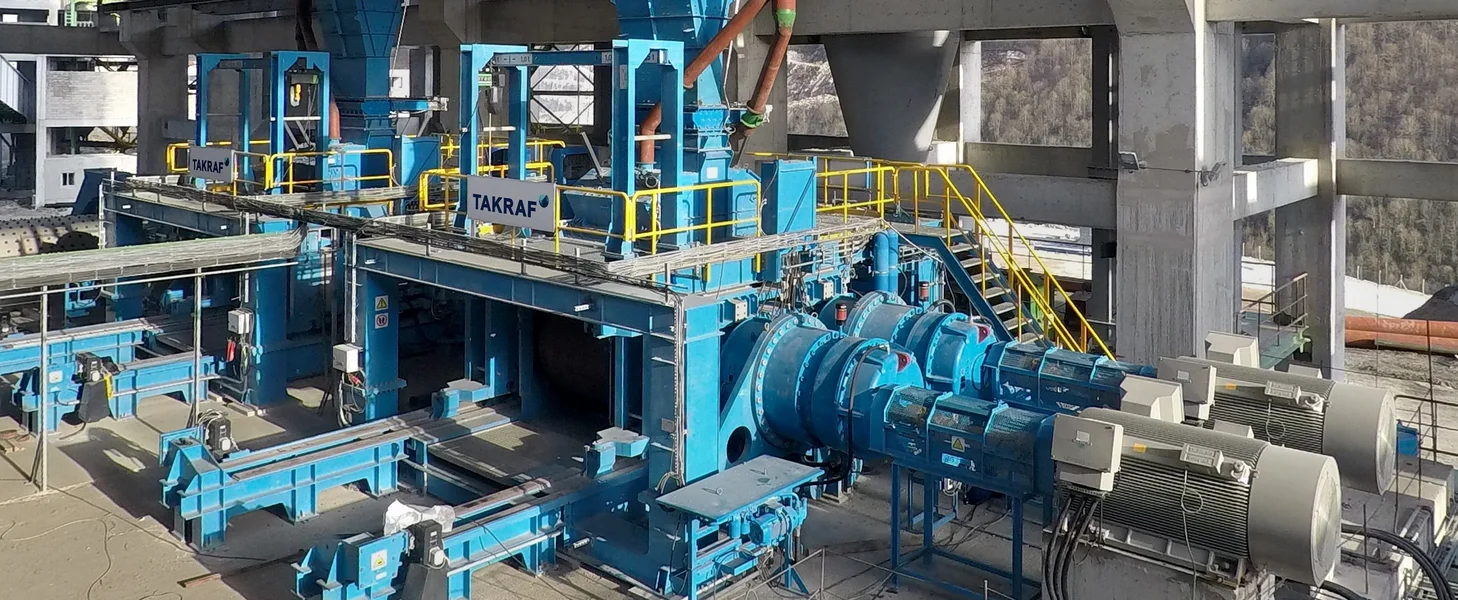
High Pressure Grinding Roll (HPGR) technology is becoming increasingly popular as an alternative to crushers and mills for large-scale comminution circuits.
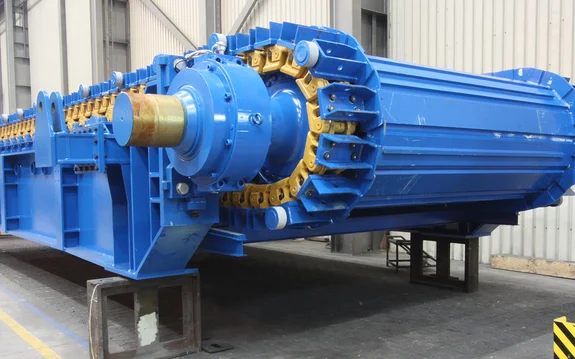
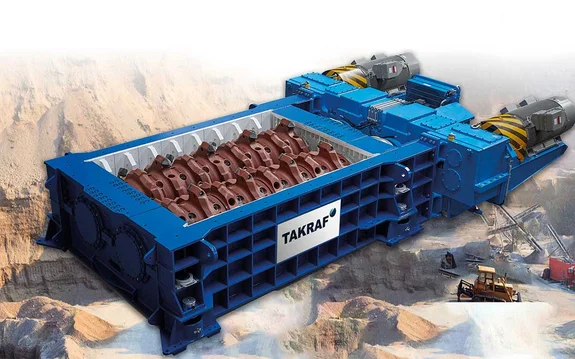
Two counter-rotating grinding rolls expose a column of material to high pressure, which is distributed across the gap between the rolls. The HPGR specific grinding process makes use of interparticle comminution in which material particles are crushed and ground within the compressed material bed and not by contact with the roll surface. Feed material can be smaller than the gap, which is an important distinction as compared to crushers, for example.
The high pressure comminution process causes micro cracks in the particles, which lead to the liberation of minerals and a higher portion of fines. HPGR treated minerals show better leaching performance, because the micro cracks increase the particle contact surface for the leaching liquid. Also, flotation efficiency is further enhanced through the use of HPGR comminution.
The main reason for using HPGRs is to save energy and reduce production costs. HPGRs can be used in brownfield projects to eliminate bottlenecks in conventional crushing and grinding circuits, thereby increasing the plant’s overall capacity. They can also be used as tertiary and/or quaternary crushing stages or in the pebble-crushing stage to improve downstream milling performance.
In addition to the industry-leading equipment that TAKRAF Group already offers, the TAKRAF HPGR is a benchmark in further developed comminution technology.
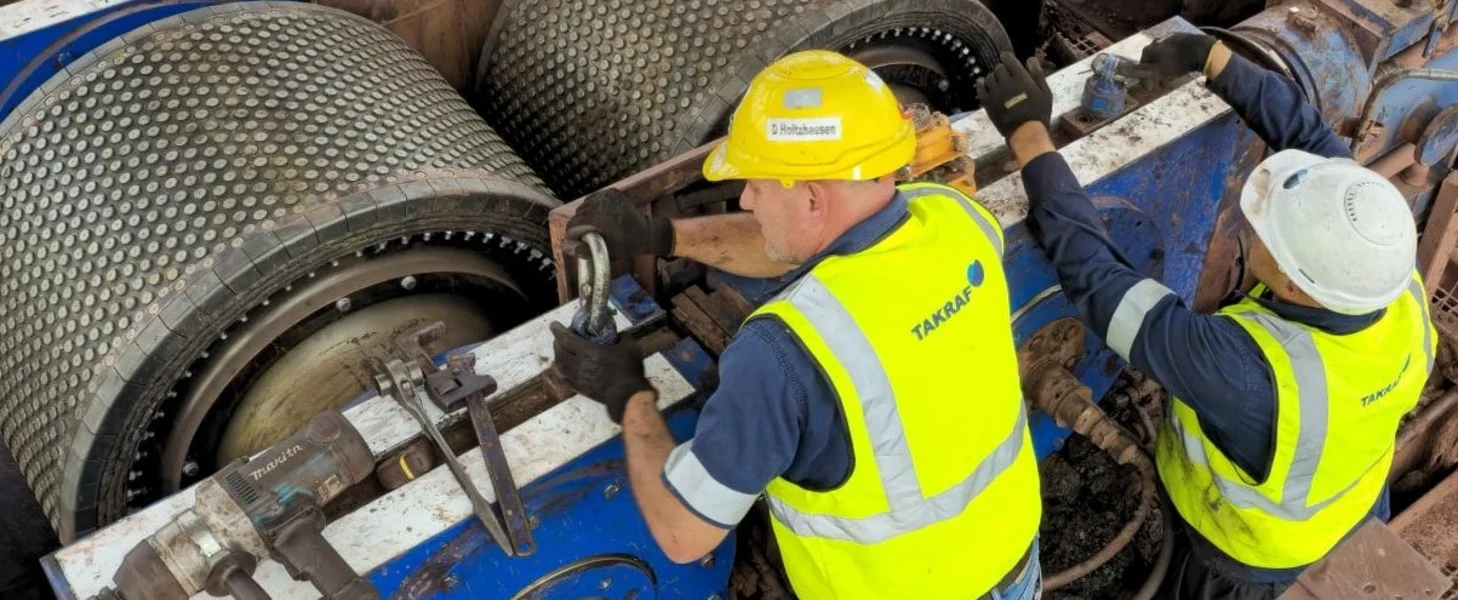
Watch our video about refurbishment of roll bodies!
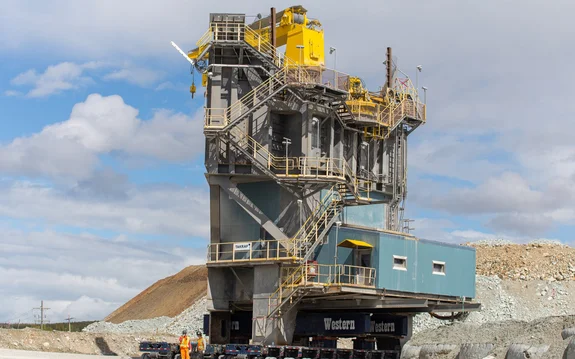
Varied uses of an HPGR
Benefits
Cost and energy efficiency
Grinding of material in HPGRs has proven to be more cost efficient as compared to conventional mills and crushers. In particular, downstream processing stages, such as ball-milling, are more energy efficient with an HPGR due to the finer product size distribution produced and the additional effect of micro cracks within the product particles.
Replaceable edge studs
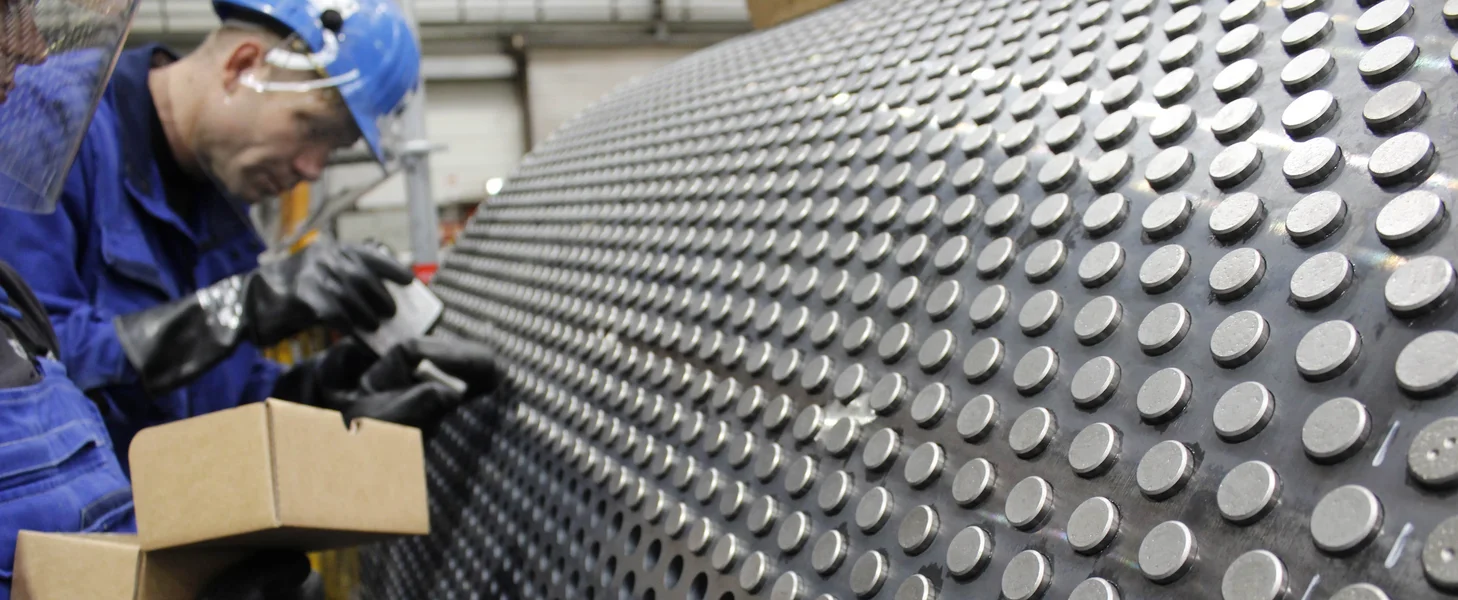
Tungsten carbide edge studs are bolted into place so that they can be replaced in the event of tramp metal or uncrushables being fed to the HPGR.
Quality components
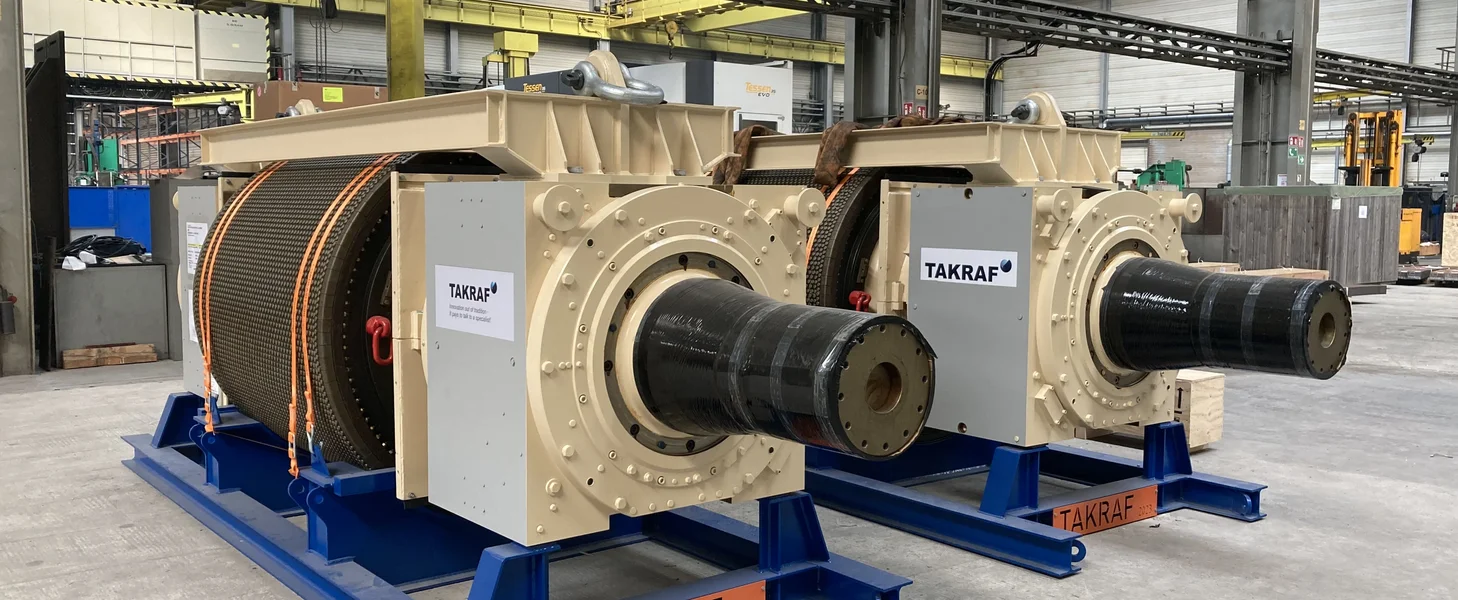
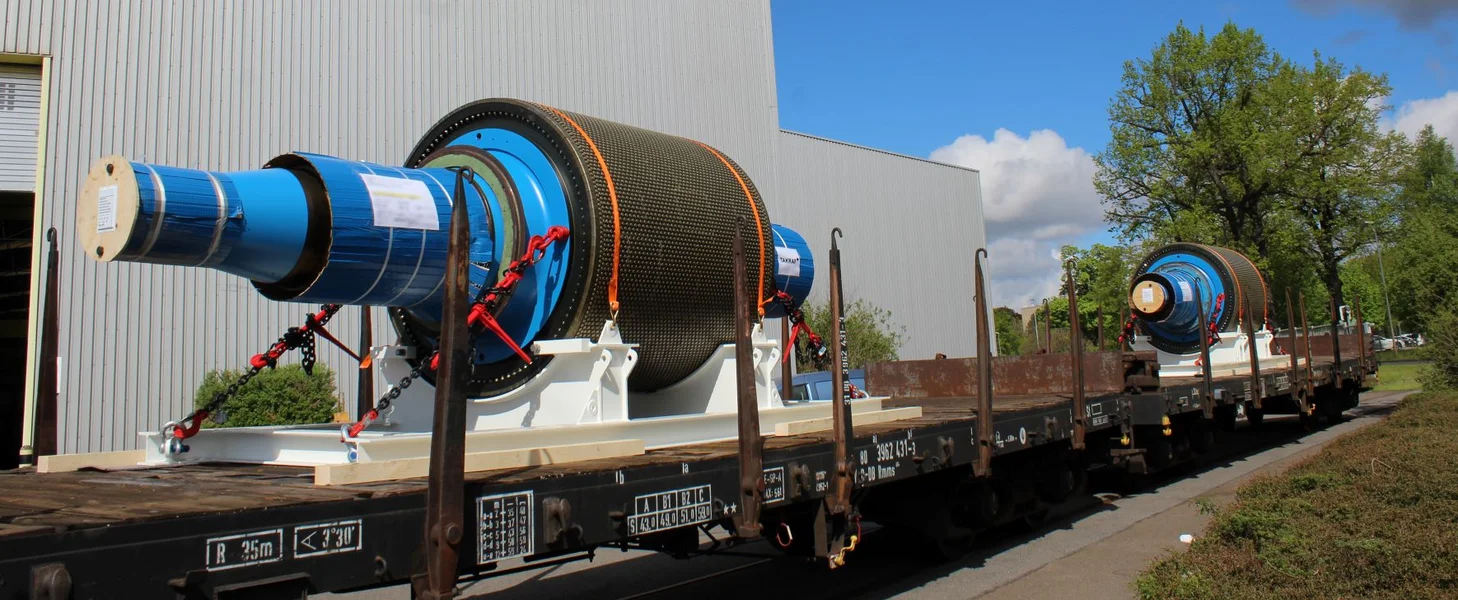
TAKRAF HPGR components are manufactured in Germany at the TAKRAF Product and Service Center. TAKRAF uses only trusted brands for the supply of tungsten carbide studs.
TAKRAF site specialist support for entire process
TAKRAF supports our clients throughout the entire change-out process, including optimizing machine parameters of third party HPGRs.