Mining operations are under increasing pressure to move more material with less environmental impact.
As mines become deeper, haul distances increase and sustainability expectations rise, traditional truck haulage faced growing limitations. High diesel consumption, rising operating costs (opex), maintenance requirements, emissions, dust and safety considerations are all driving the need for more efficient material transport solutions.
In-Pit Crushing & Conveying (IPCC) and advanced conveyor systems offer a proven alternative.
At TAKRAF Group, these technologies are central to how we support our customers in building more efficient, reliable and sustainable mining operations.
What is IPCC?
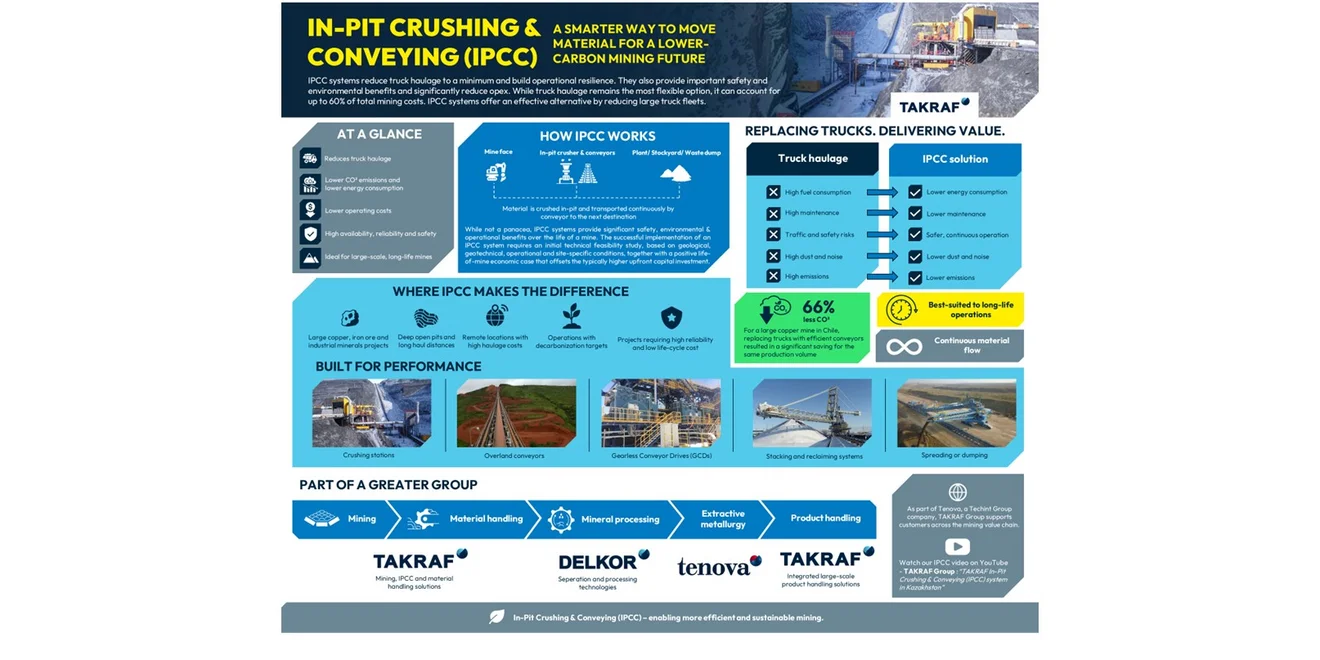
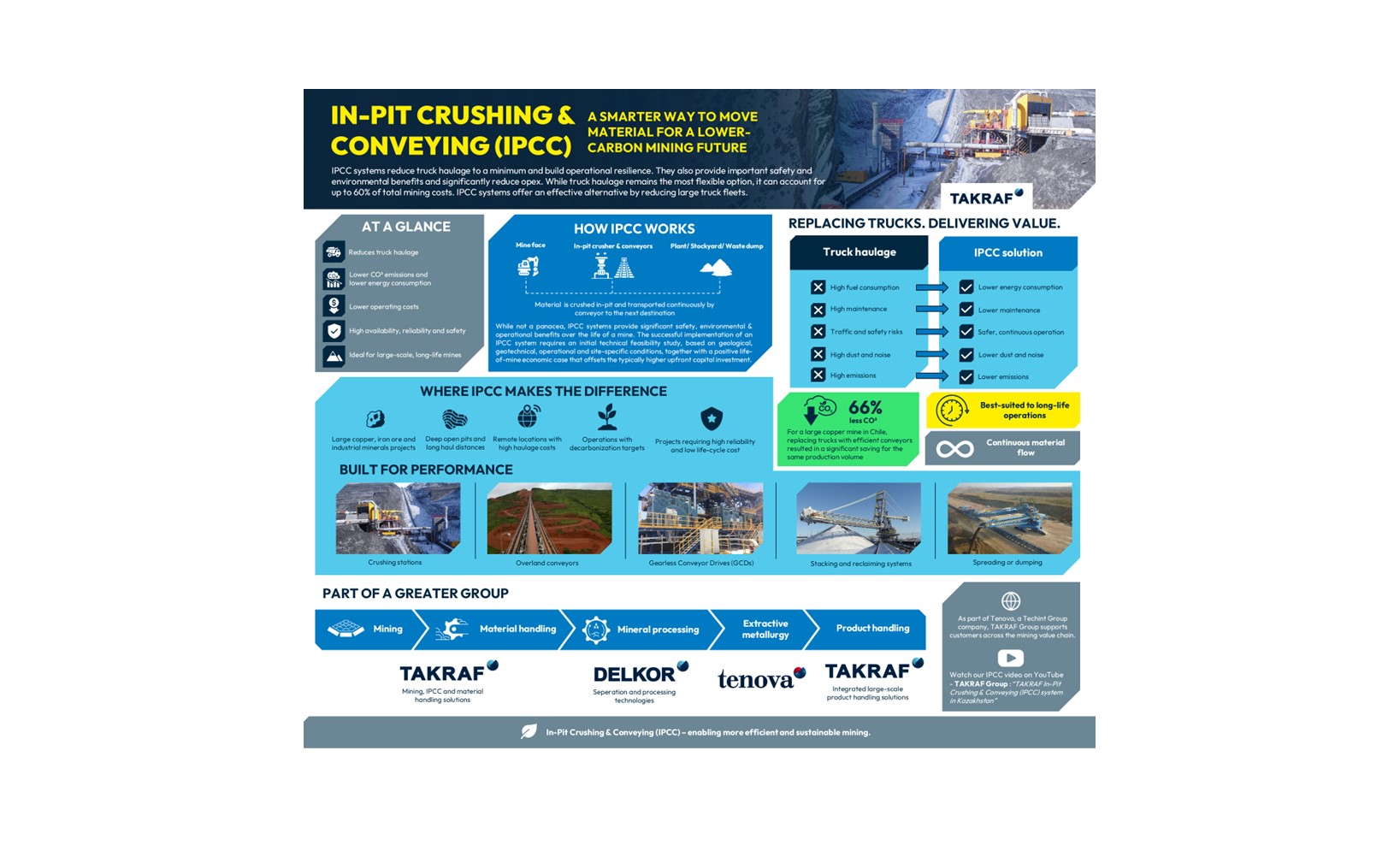
In-Pit Crushing & Conveying, or IPCC, is a mining method in which material is crushed in or near the pit and then transported via a conveyor network or system instead of relying primarily on truck haulage.
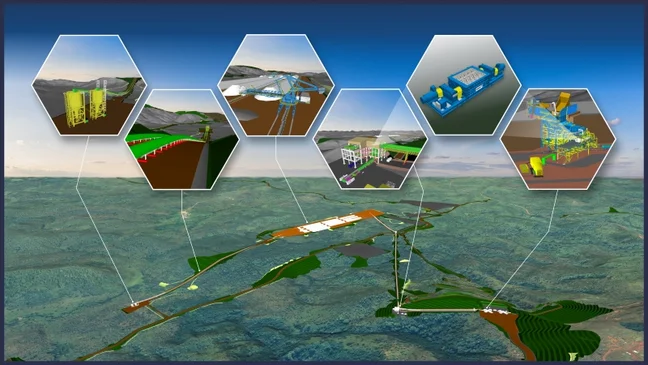
A typical IPCC setup:
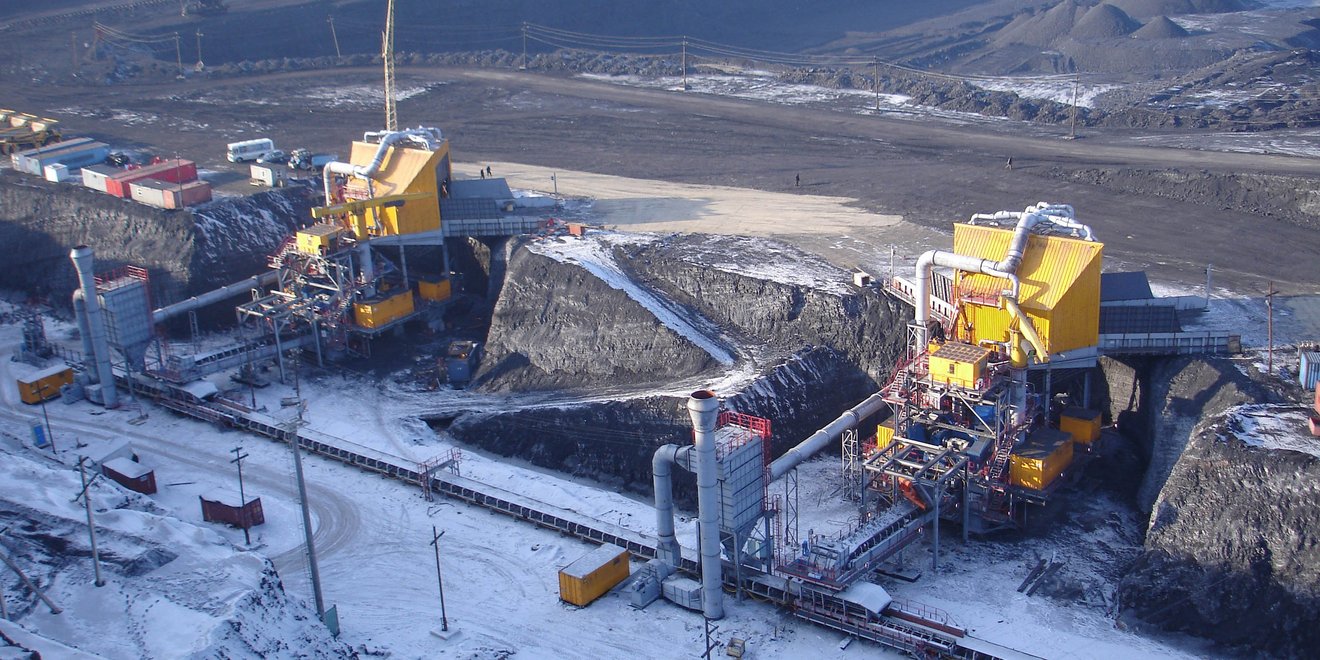
- A crushing station or stations
- A network or system of conveyors
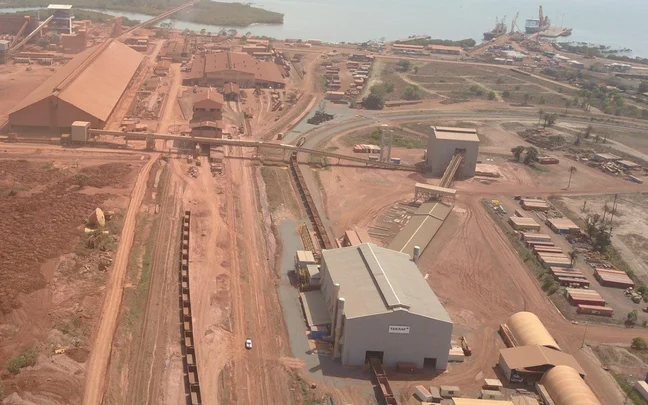
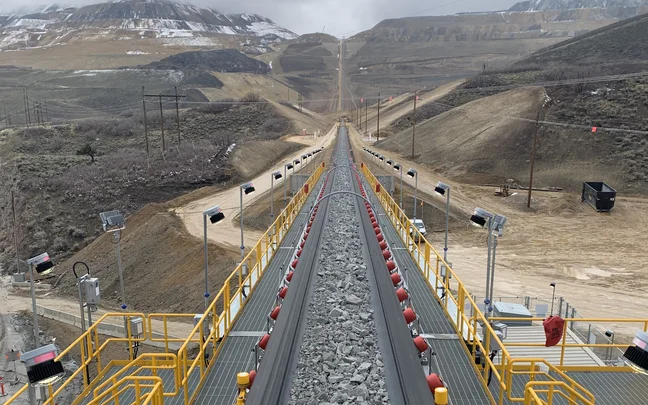
- Overland conveying
- Plant, stockyard or waste dump integration
As a result, this integrated system enables a continuous flow of material from the mine to the next stage of the operation.
Compared with conventional truck haulage, IPCC can reduce energy consumption, lower emissions and improve operational efficiency, while significantly increasing safety too.
TAKRAF IPCC system in Kazakhstan on youtube
Why IPCC matters for modern mining
Material movement is one of the most cost- and energy-intensive parts of mining. Large truck fleets require significant fuel, maintenance, labor and infrastructure.
IPCC and conveying systems can help mining companies address these challenges by:
- Reducing truck haulage
- Lowering CO₂ emissions
- Reducing operating costs over the life of mine
- Improving safety by reducing traffic in the pit
- Increasing system reliability and availability
- Supporting long-distance and high-capacity material transport
Studies at the Chuquicamata mine in Chile, one of the world's largest open-pit copper mines, showed that conveyor-based transport reduced CO₂ emissions by 66% compared to diesel truck engines when producing the same volume of copper.
This makes IPCC an important technology for mining companies pursuing decarbonization and ESG targets.
TAKRAF Group’s IPCC and conveying capabilities
TAKRAF Group boasts decades of experience in large-scale mining and bulk material handling systems.
Our portfolio includes:
- In-Pit Crushing & Conveying (IPCC) systems
- Fixed, semi-mobile and fully mobile crushing plants
- Long-distance overland conveyors
- High-capacity conveyor systems
- Technically complex conveyor routes
- Spreaders, stackers, reclaimers and combined stacker reclaimers
- Wagon/truck loading and unloading systems
- Port and related stockyard equipment
These solutions are designed for demanding mining environments and are particularly relevant for large-scale copper, iron ore, bauxite, overburden, industrial mineral and other bulk material operations.
Advanced IPCC and conveyor technology for demanding applications
Every mining operation is different. Material properties, pit geometry, elevation changes, throughput requirements and climate conditions all influence system design.
TAKRAF Group develops tailor-made IPCC and conveying solutions for:
- High crushing and conveying capacities
- Long haul distances
- Steep gradients and complex routing
- Remote mine sites
- Harsh operating conditions
- Long mine life requirements
- Complex material handling types
Advanced drive technologies such as Gearless Conveyor Drives (GCDs) can further improve conveyor performance. By eliminating the gearbox, GCDs reduce the number of main wear parts, supporting increased efficiency and reliability.
A key technology for lower-carbon mining
IPCC and conveying systems support lower-carbon and safer mining by reducing the need for diesel-powered truck fleets.
This contributes to:
- Lower Greenhouse Gas (GHG) emissions
- Reduced noise and dust
- Lower fuel consumption
- Improved energy efficiency per ton moved
- Reduced operating costs
- Improved long-term mine planning
For mining companies and mine operators, this is not only an environmental benefit. It is also a safety, productivity and competitive advantage too.